
Table of Contents
- Why Botanical Ingredients Matter for Aging Skin
- Is My Skin Dehydrated or Dry? Understanding the Difference
- Best Plant-Based Antioxidants for Face: Science and Efficacy
- Botanical Retinol Alternatives: Achieving Results Without Synthetic Actives
- Key Botanical Actives That Target Aging Concerns
- Building Your Anti-Aging Botanical Skincare Routine
- Ingredient Synergy: Layering for Maximum Efficacy
- Long-Term Results vs. Immediate Effects
- Frequently Asked Questions
Last Updated: September 20, 2026
Why Botanical Ingredients Matter for Aging Skin
Plant-derived compounds have been used medicinally for centuries, but the case for botanical skincare is no longer anecdotal. Published research now supports specific plant actives — polyphenols, peptide-like compounds, fatty acid complexes — as clinically credible interventions for the core mechanisms of skin aging: oxidative stress, collagen degradation, barrier disruption, and dehydration.
What makes botanical actives particularly relevant for aging skin is their compatibility with skin biology. Plant-derived phyto-compounds interact synergistically with the skin's natural chemistry, allowing absorption at levels that produce measurable results while remaining tolerable for reactive or sensitized skin. A well-formulated botanical serum can address antioxidant defense, collagen stimulation, and barrier repair in a single step.
The distinction to watch for is formulation quality. The plant source alone is not the variable — concentration, extraction method, and delivery system determine whether a botanical active reaches the dermis at a therapeutically useful level.
Is My Skin Dehydrated or Dry? Understanding the Difference
Dehydrated and dry skin are frequently conflated, but they represent different conditions that respond to different treatments. Applying the wrong solution to either one produces minimal results — which is why this distinction matters before selecting any active ingredient.
Dehydrated skin lacks water content in the epidermis. It may feel tight and dull, show temporary fine lines that plump after hydration, and still produce oil — because water retention and lipid production are separate mechanisms. Improvement appears within days of consistent humectant application (glycerin, hyaluronic acid).
Dry skin is a skin type characterized by insufficient sebum production. It feels persistently rough or flaky because the lipid barrier that holds moisture is underproducing. It responds to emollients and occlusives: plant oils, ceramides, and butters that seal moisture and physically reinforce the barrier.
Aging skin often presents both simultaneously — dehydration from environmental exposure, and dryness from the natural decline in sebum production that begins in the mid-thirties. Botanical ingredients address both pathways: humectant botanicals like rose water and aloe support water retention, while lipid-rich oils like rosehip and jojoba restore the barrier’s structural foundation.
Best Plant-Based Antioxidants for Face: Science and Efficacy
Oxidative stress — free radical damage triggered by UV exposure, pollution, and metabolic activity — is the primary driver of photo-aging. Plant-based antioxidants neutralize free radicals before they degrade collagen and elastin, making them foundational to any anti-aging routine.
The most clinically supported plant antioxidants include:
- Green tea catechins (EGCG): demonstrated free radical scavenging, anti-inflammatory properties, and elasticity support in published research (pubmed.ncbi.nlm.nih.gov).
- Resveratrol (grape seed): activates cellular defense pathways and preserves collagen by inhibiting matrix metalloproteinases, the enzymes that break it down.
- Vitamin C from kakadu plum: provides antioxidant protection and brightening by inhibiting tyrosinase activity, which controls melanin production.
- Pomegranate polyphenols: support DNA repair signaling after UV exposure and reduce inflammatory cascades that accelerate collagen loss.
To confirm therapeutic concentration, check where these extracts appear in the ingredient list. An extract listed in the final quarter of an INCI list is present at a cosmetic rather than clinical level. Serums and targeted essences are the most effective delivery format — they concentrate actives without the dilution that a full moisturizer formula requires.
Botanical Retinol Alternatives: Achieving Results Without Synthetic Actives
Retinol is the most studied anti-aging active available without a prescription, but it comes with significant limitations: barrier disruption, photosensitivity, and irritation that can take weeks to resolve. For reactive, sensitized, or post-procedure skin, botanical retinol alternatives offer a credible path to the same outcomes — cellular turnover, texture refinement, reduced fine lines — without the tolerance period.
Bakuchiol is the most studied botanical alternative. It is a meroterpene derived from the Psoralea corylifolia plant that activates retinol-receptor pathways in skin, stimulating pro-collagen synthesis, accelerating cellular turnover, and reducing hyperpigmentation. Peer-reviewed research directly comparing bakuchiol to retinol has shown equivalent improvements in fine lines and skin texture over 12 weeks with significantly less irritation (pubmed.ncbi.nlm.nih.gov). Results appear within 4–6 weeks of consistent use.
Rosehip seed oil contributes naturally occurring all-trans retinoic acid — a form of vitamin A — at low concentrations that support cell regeneration and collagen production without the irritation profile of synthetic retinoids. It is particularly effective for post-inflammatory hyperpigmentation and early signs of photoaging.
Sea buckthorn oil provides omega-3, -6, -7, and -9 fatty acids alongside carotenoids, offering simultaneous barrier repair and antioxidant protection. Its dense lipid profile makes it better suited to dry or compromised skin, where barrier restoration is a prerequisite for any other active to work.
Botanical retinol alternatives work more gradually than prescription retinoids but deliver consistent visible improvement over 8–12 weeks. For reactive skin, this slower timeline is the advantage — results accumulate without barrier disruption that would otherwise set progress back.
Key Botanical Actives That Target Aging Concerns
Peptides and Collagen Stimulation
Peptides are short chains of amino acids that function as signaling molecules — instructing skin cells to increase collagen and elastin production by mimicking the communication signals the dermis uses internally. Botanical peptides source these chains from plant proteins, achieving similar fibroblast activation without synthetic origin.
The mechanism is well-documented: peptides bind to fibroblast receptors, triggering an upregulation in pro-collagen synthesis. Over time, this rebuilds the structural foundation responsible for firmness and resilience, making peptides one of the few non-prescription actives with a clear, evidence-backed mechanism for addressing elasticity loss.
For a high-concentration, multi-active approach to this concern, the Tata Harper Elixir Vitae combines 72 natural-origin actives — including peptide-like botanicals, polyphenols, and firming compounds — in a single formula specifically designed for advanced visible aging and significant loss of firmness.
The Bee Venom Firming and Lifting Cream takes a complementary approach: bee venom peptides trigger the skin’s natural collagen and elastin production response, paired with niacinamide, vitamin A, and vitamin E to nourish and visibly improve elasticity with consistent daily use.

Application sequence matters for peptide efficacy. Apply peptide serums to clean, slightly damp skin before your moisturizer — damp skin improves ingredient penetration, and sealing with a moisturizer prevents the peptides from evaporating before they can absorb.
Hydration and Barrier Repair
The skin barrier — a lipid-rich matrix of cells, ceramides, and fatty acids — is the primary defense against trans-epidermal water loss (TEWL) and environmental irritants. Aging progressively compromises this structure, leading to increased sensitivity, dehydration, and reduced efficacy of every active ingredient layered on top of it.
Botanical ingredients that support barrier repair fall into three functional categories:
- Humectants (glycerin, hyaluronic acid from plant fermentation) draw water into the epidermis and temporarily plump fine lines caused by dehydration.
- Emollients (rosehip, jojoba, squalane) fill gaps in the lipid matrix, smoothing texture and reducing surface roughness.
- Occlusives (plant butters, waxes, sea buckthorn) seal the surface to prevent water loss after humectants and emollients have been applied.
Hydration isn’t about applying water — it’s about supporting the mechanisms that retain it. A routine that includes all three functional categories maintains the barrier in a state where active treatments can actually penetrate and perform.
Photo-Aging Protection
Photo-aging — cumulative UV damage — accounts for approximately 80% of visible aging signs, including deep lines, laxity, and uneven pigmentation. Broad-spectrum SPF is non-negotiable as a first line of defense, but botanical antioxidants provide a second layer: they neutralize UV-induced free radicals that penetrate even adequately applied sunscreen.
Polyphenols from green tea, pomegranate, and resveratrol are the most studied for this function. They reduce the oxidative cascade triggered by UV exposure before it reaches collagen and elastin structures — which is why antioxidant application in the morning, underneath SPF, compounds the protective effect rather than duplicating it.
Building Your Anti-Aging Botanical Skincare Routine
An effective botanical anti-aging routine doesn’t require complexity — it requires sequence. Layering products in the right order determines whether actives can penetrate to the level where they produce structural change. A three-step foundation — cleanse, treat, seal — covers the majority of aging concerns while remaining practical for daily use.
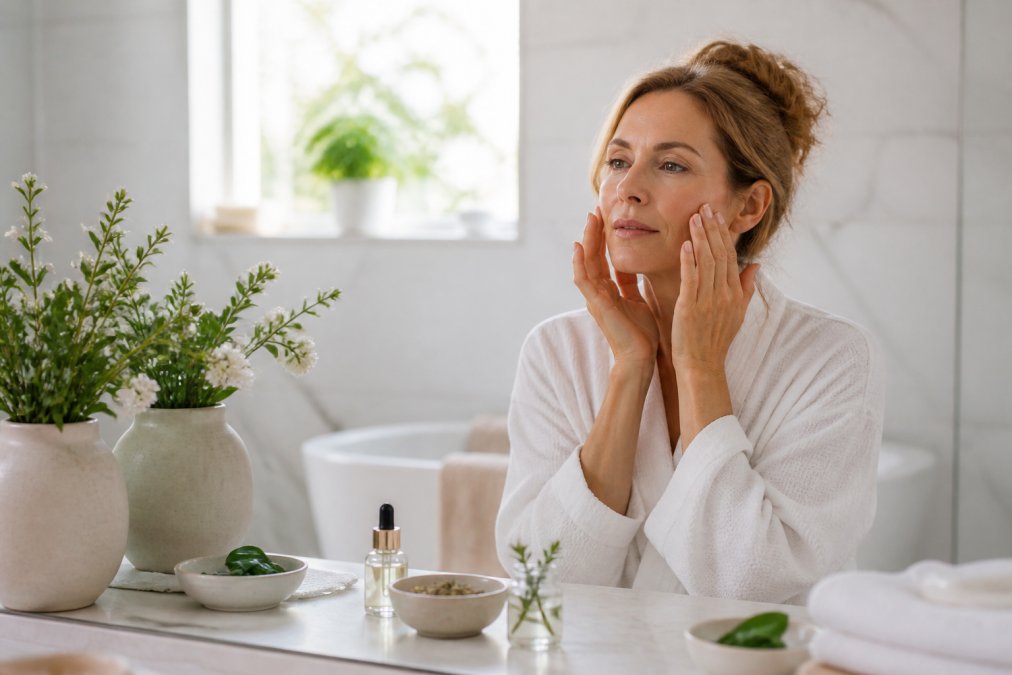
Step 1: Cleanse and Prepare
Start with a gentle botanical cleanser that removes oil, debris, and environmental residue without disrupting the acid mantle or stripping the lipid barrier. Look for plant oil–based or mild surfactant formulas — avoid sodium lauryl sulfate, which degrades barrier integrity and reduces the efficacy of actives applied afterward. After cleansing, pat skin to slightly damp (not fully dry) to improve active ingredient absorption in the next step.
Step 2: Apply Active Serums
This is where botanical actives do their most substantive work. Apply in order of molecular weight — lightest to richest — allowing each layer to absorb before the next. A typical anti-aging sequence: antioxidant serum first (vitamin C or polyphenol-based), then peptide serum, then retinol alternative (bakuchiol or rosehip), then a hydrating serum if needed. Applying peptides before occlusives and oils ensures they reach the dermis rather than sitting on top of a lipid layer.
Step 3: Moisturize and Seal
Finish with a moisturizer matched to your skin type. Dry or mature skin benefits from richer creams containing plant oils, ceramides, and botanical butters that reinforce the lipid matrix. Normal to combination skin works well with a gel-cream or lightweight emulsion. The goal of this step is twofold: lock in the active ingredients applied in Step 2, and support overnight barrier repair — particularly important for aging skin where TEWL is elevated. For daytime, finish with a broad-spectrum mineral SPF over your moisturizer.
Ingredient Synergy: Layering for Maximum Efficacy
The most effective anti-aging routines use ingredient pairing deliberately — combinations where actives amplify each other’s effects rather than competing or duplicating. A few well-established synergies worth building around:
- Vitamin C + ferulic acid: ferulic acid stabilizes vitamin C in formulation and extends its antioxidant activity on skin, roughly doubling its photoprotective effect. This is why professional-grade vitamin C serums routinely include it.
- Peptides + hyaluronic acid: peptides perform better in a hydrated environment. Layering a humectant underneath supports the moisture level the dermis needs for fibroblast activation.
- Bakuchiol + plant antioxidants: anti-inflammatory botanicals (green tea, chamomile) reduce the mild surface sensitivity that bakuchiol can occasionally produce, allowing the retinol-alternative mechanism to proceed without irritation disrupting the routine.
- Barrier repair oils + active serums: occlusives applied after serums seal actives against the skin surface and prevent evaporation before absorption completes — particularly relevant for thin or lightweight peptide formulas.
Long-Term Results vs. Immediate Effects
Botanical actives deliver results on two distinct timescales. Understanding this prevents premature abandonment of a routine that is working at the structural level before surface changes are visible.
| Timeline | Expected Results | Mechanism |
|---|---|---|
| Immediate (minutes–hours) | Improved radiance, plumped fine lines, luminosity | Hydration and light-reflecting botanicals |
| Short-term (2–4 weeks) | Smoother texture, reduced dullness, improved tone | Accelerated cellular turnover and antioxidant activity |
| Medium-term (4–12 weeks) | Visible reduction in fine lines, improved elasticity, firmness | Collagen synthesis and barrier repair |
| Long-term (12+ weeks) | Significant reduction in deep lines, sustained elasticity, radiant glow | Structural skin improvements and cumulative antioxidant protection |
Frequently Asked Questions
What are the most effective science-backed botanical ingredients for aging skin?
Plant-derived actives like bee venom peptides, bakuchiol, and botanical antioxidants have demonstrated clinical efficacy in stimulating collagen synthesis, reducing fine lines, and improving elasticity. Bee venom triggers natural collagen and elastin production, while polyphenols combat oxidative stress. The Tata Harper Elixir Vitae combines 72 high-performance botanical actives specifically formulated to target advanced signs of aging, restore firmness, and support long-term skin vitality.
How do I know if my skin is dehydrated or dry?
Dehydrated skin lacks water and feels tight, dull, or shows temporary fine lines that plump after hydration — but may still produce oil, because water retention and sebum production are separate mechanisms. Dry skin lacks natural oils and lipids, feeling persistently rough or flaky throughout the day. Dehydrated skin responds to humectants (hyaluronic acid, glycerin), while dry skin needs occlusive emollients (plant oils, ceramides, butters). If your skin feels tight after cleansing but becomes oily by midday, it is likely dehydrated rather than dry.
Can botanical ingredients effectively stimulate collagen production?
Yes. Botanical actives including bee venom peptides and plant-derived growth factors have been shown to stimulate fibroblasts and increase pro-collagen production. Bee venom in particular triggers the skin’s natural collagen and elastin synthesis response, visibly firming and lifting skin over time. Clinical studies support these mechanisms, making botanical peptides a science-backed alternative to synthetic collagen boosters for addressing fine lines, elasticity loss, and skin laxity.
What makes botanical retinol alternatives effective for mature skin?
Botanical retinol alternatives like bakuchiol activate retinol-receptor pathways in skin, delivering cellular turnover and anti-aging benefits without the irritation, photosensitivity, or barrier disruption associated with synthetic retinoids. Bakuchiol supports matrix metalloproteinase regulation, reduces hyperpigmentation, and smooths fine lines while remaining gentle enough for sensitive or compromised skin. They work best when layered with hydrating and antioxidant-rich botanicals to maximize efficacy and protect the barrier.
How long does it take to see visible anti-aging results from botanical skincare?
Immediate hydration and radiance improvements appear within days, but structural changes — reduced fine lines, improved elasticity, visible firmness — typically develop over 4–12 weeks of consistent use. Long-term results, including sustained collagen synthesis and dermal matrix strengthening, accumulate over months. Clinical efficacy depends on ingredient concentration, formulation bioavailability, and consistent application. The Bee Venom Firming and Lifting Cream shows progressive benefits with daily use over this timeframe.
Are botanical skincare ingredients regulated for safety and efficacy?
Botanical ingredients in cosmetics fall under FDA oversight in the US. Reputable brands conduct stability testing, safety assessments, and efficacy studies to substantiate claims. Look for products with clinical trial data and disclosed ingredient sourcing. Premium botanical formulations prioritize dermatological testing and verified sourcing to ensure both safety and measurable anti-aging performance — not just a compelling ingredient list.
Which botanical ingredients work best for different aging concerns?
For deep wrinkles and loss of volume: peptides, bee venom, and volumizing actives like Volufiline stimulate collagen and restore plumpness. For dullness and uneven tone: antioxidant-rich botanicals (rosehip, green tea, vitamin E) combat oxidative stress and support cellular renewal. For dehydration and barrier compromise: hyaluronic acid, ceramides, and botanical humectants reduce trans-epidermal water loss. Customizing your routine to your primary concern ensures targeted, efficient results rather than a generalist approach that addresses nothing specifically.
Experience considered care for sensitive skin. Enjoy 15% off your first protocol with code FAWN15.